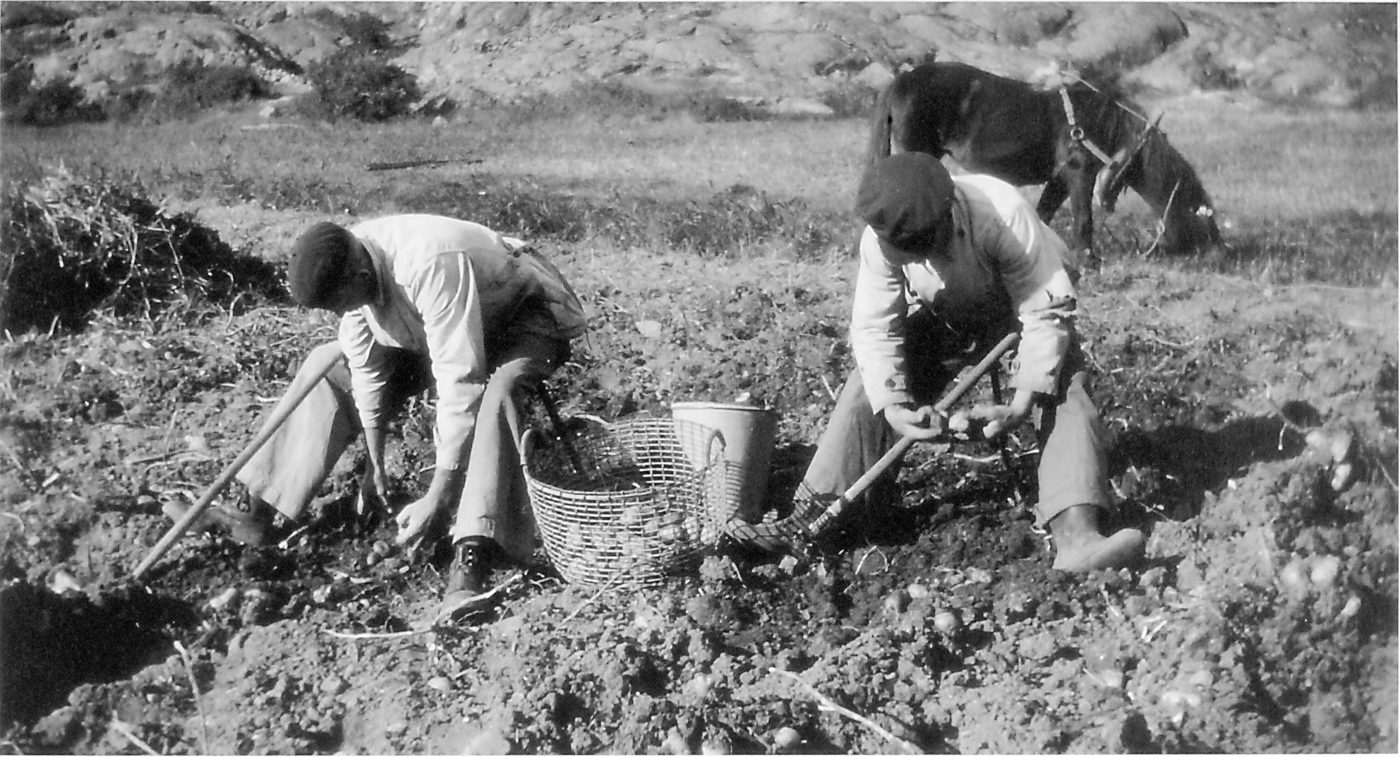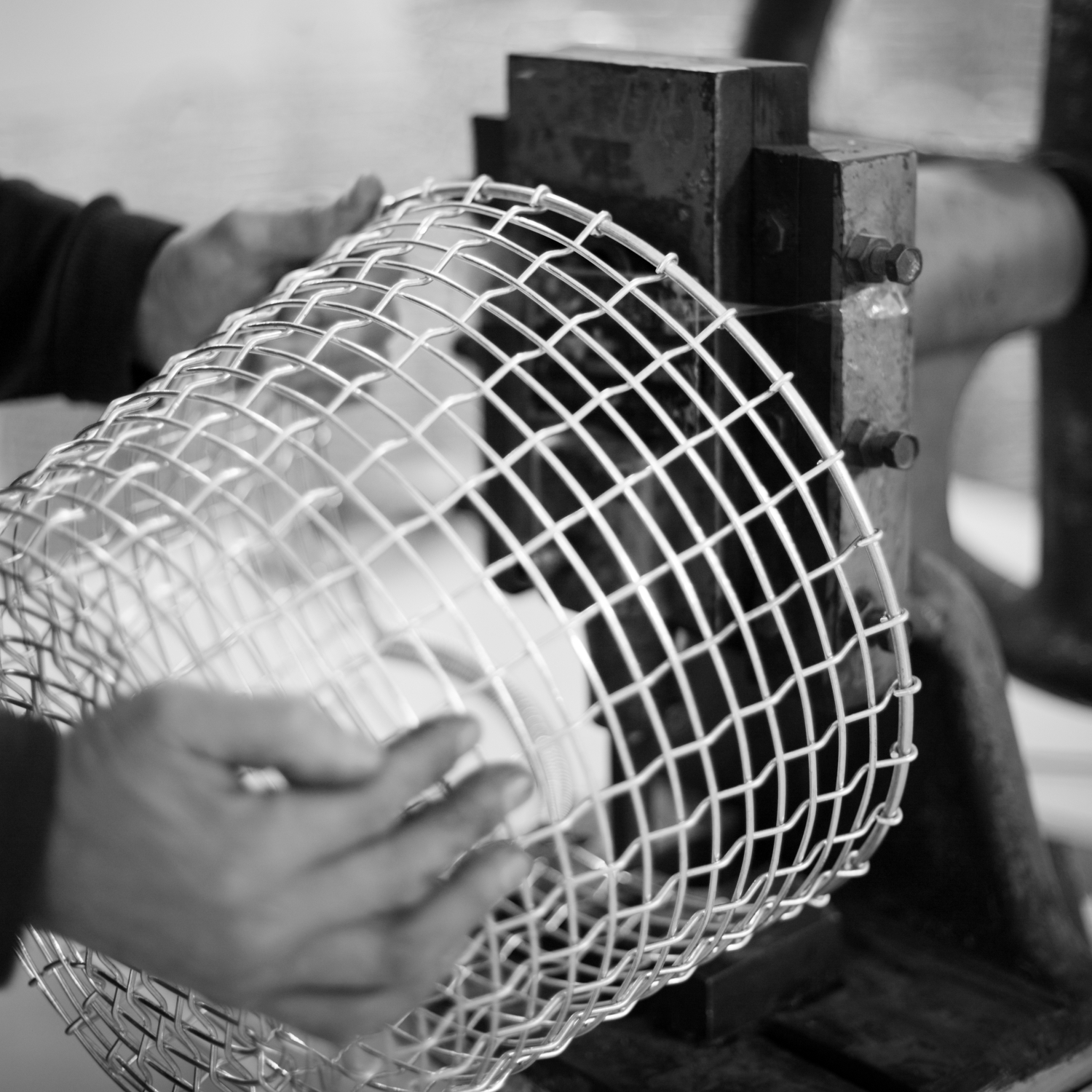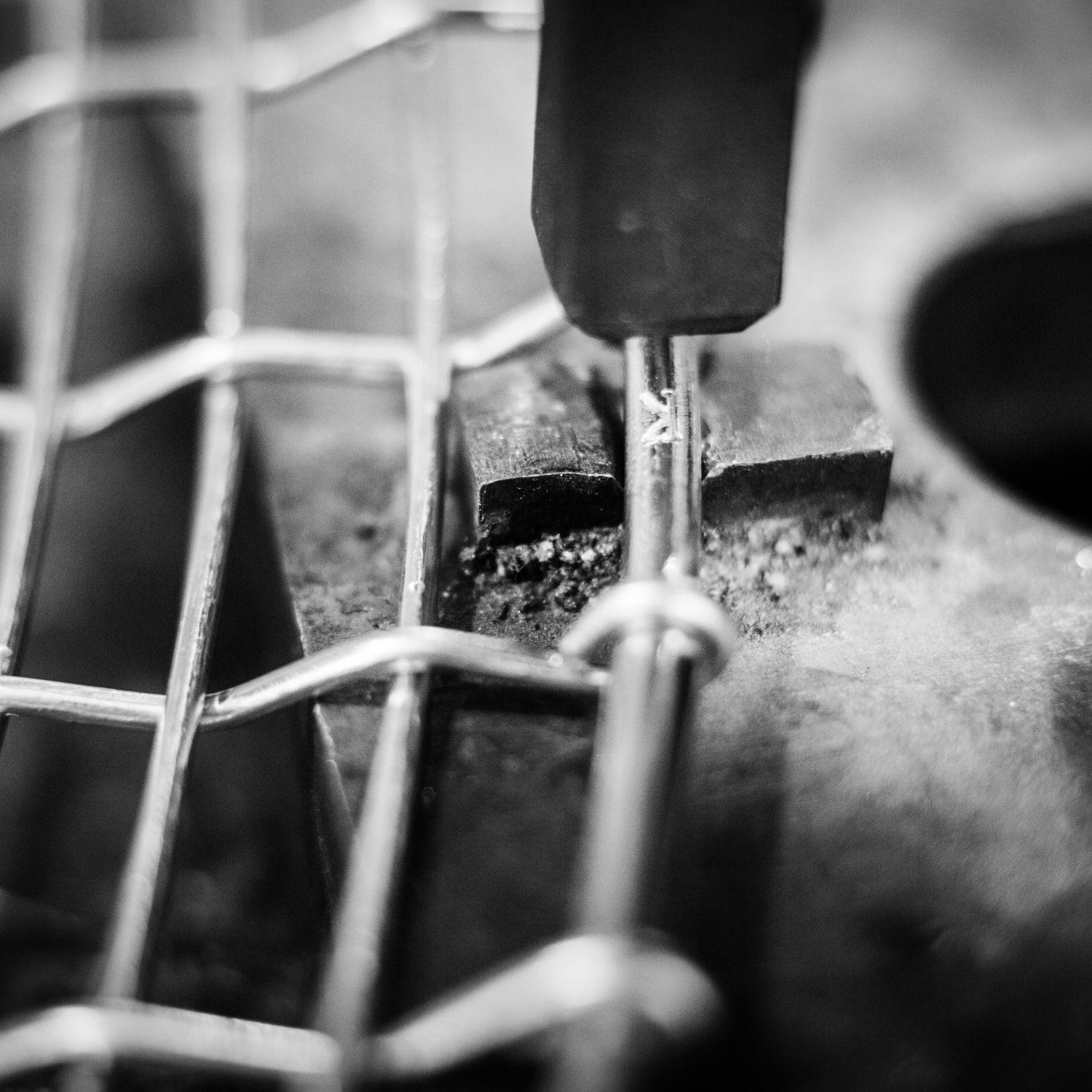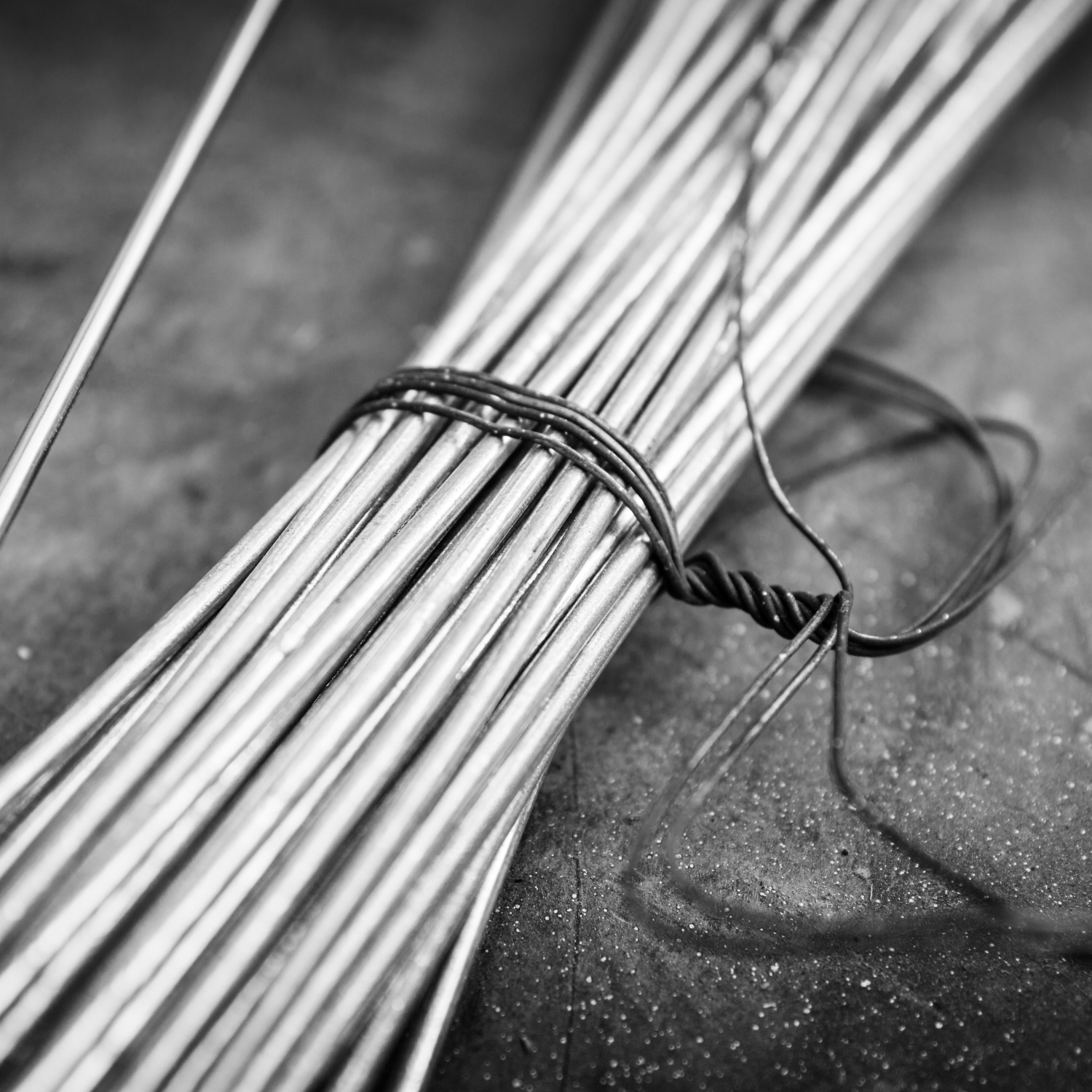
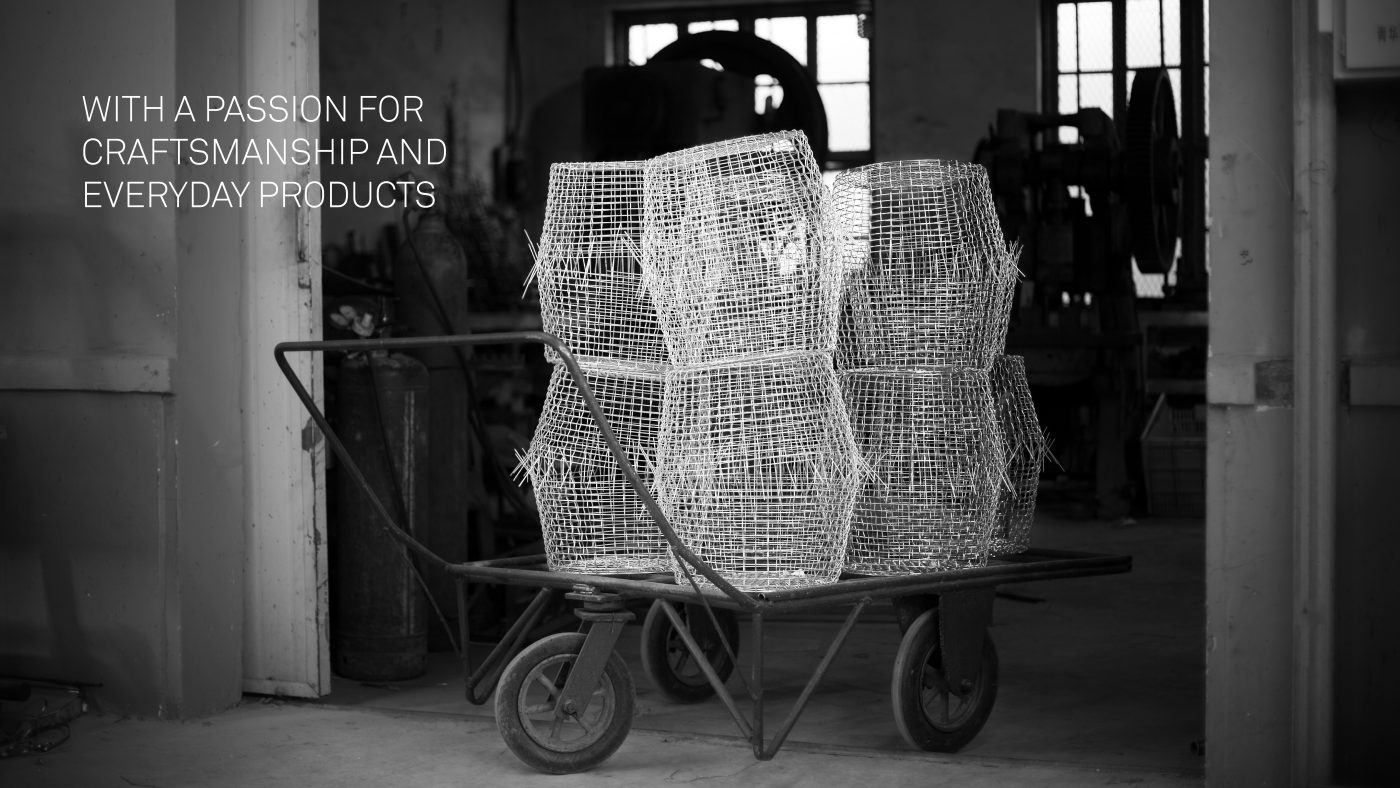
Korbo was founded with a passion for craftsmanship. It all started with an old wire basket that was brought back to life in 2006. In the old days, the basket was used by fishermen and farmers or anyone who needed reliable carrying and storage that could withstand weather, wind, wear and tear.
Based on the heritage of the wire basket, Korbo has expanded its range of products over the years. There is a strong focus on creating products with an enduring design, using traditional handcrafted techniques and in close cooperation with skilled designers. This speaks to a commitment of creating products that withstand the test of time.
”Korbo is all about creating products that are to be used in everyday life,
that will last for generations, create stories and beauty over time.”
– Katrin Persson, MD & Founder
THE STORY ABOUT THE WIRE BASKET
The first basket was woven by hand in 1922 by Einar Andersson, in Furufjäll, Sweden. In the old days, the baskets were used by fishermen and farmers or anyone who needed reliable carrying and storage that could withstand weather, wind, wear and tear.
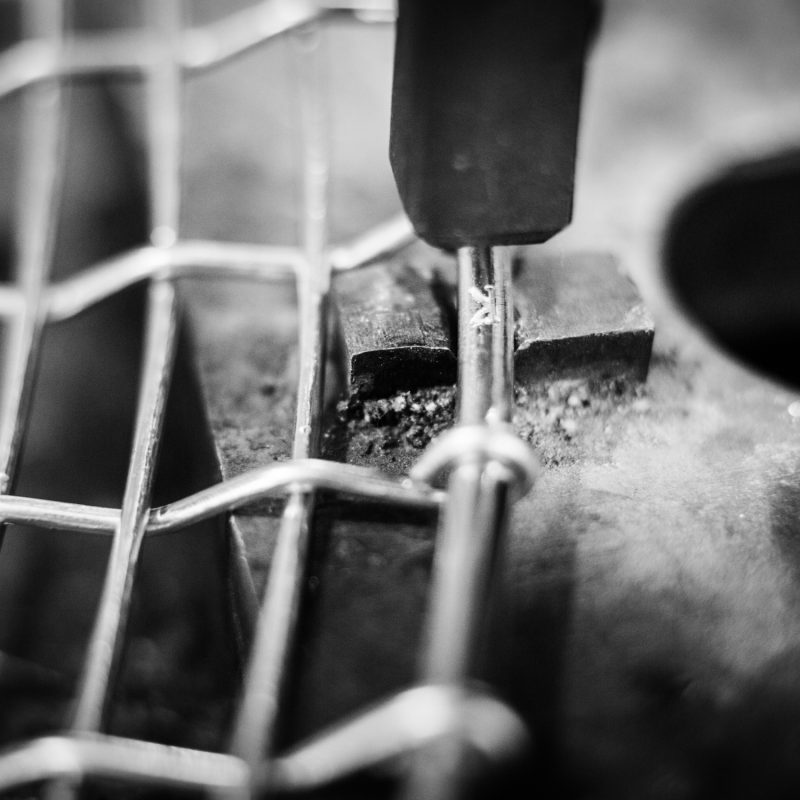
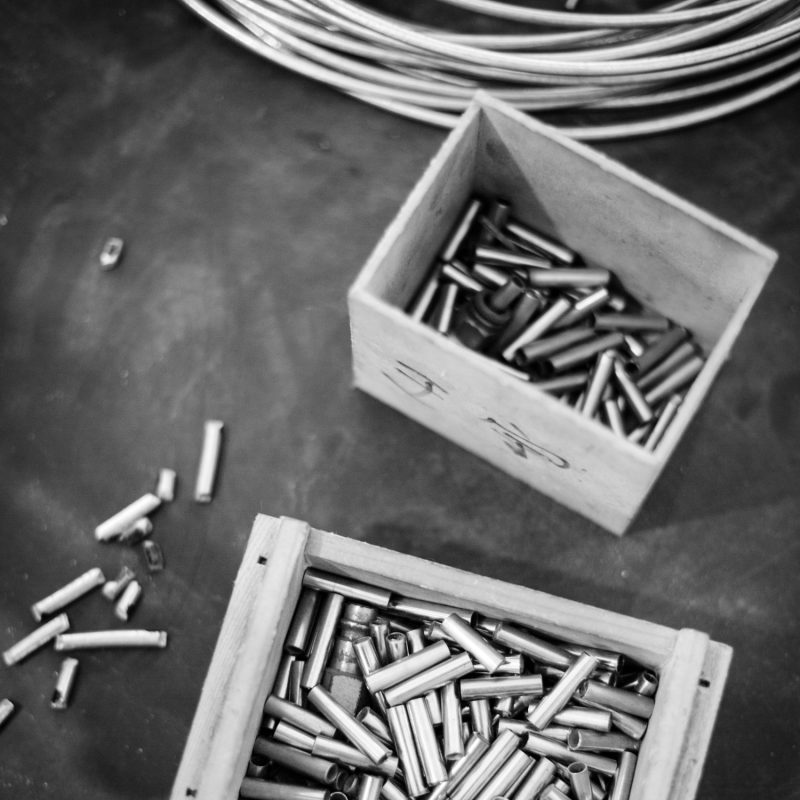
In the early 2000s we found an old basket in a fisherman’s shed and thereafter learnt about the craftsmanship. The craftsmanship was about to die out and we could not let the beauty and function of the baskets go. In 2006 the company Korbo AB was founded and the production was restarted with the exact same technique as in 1922.
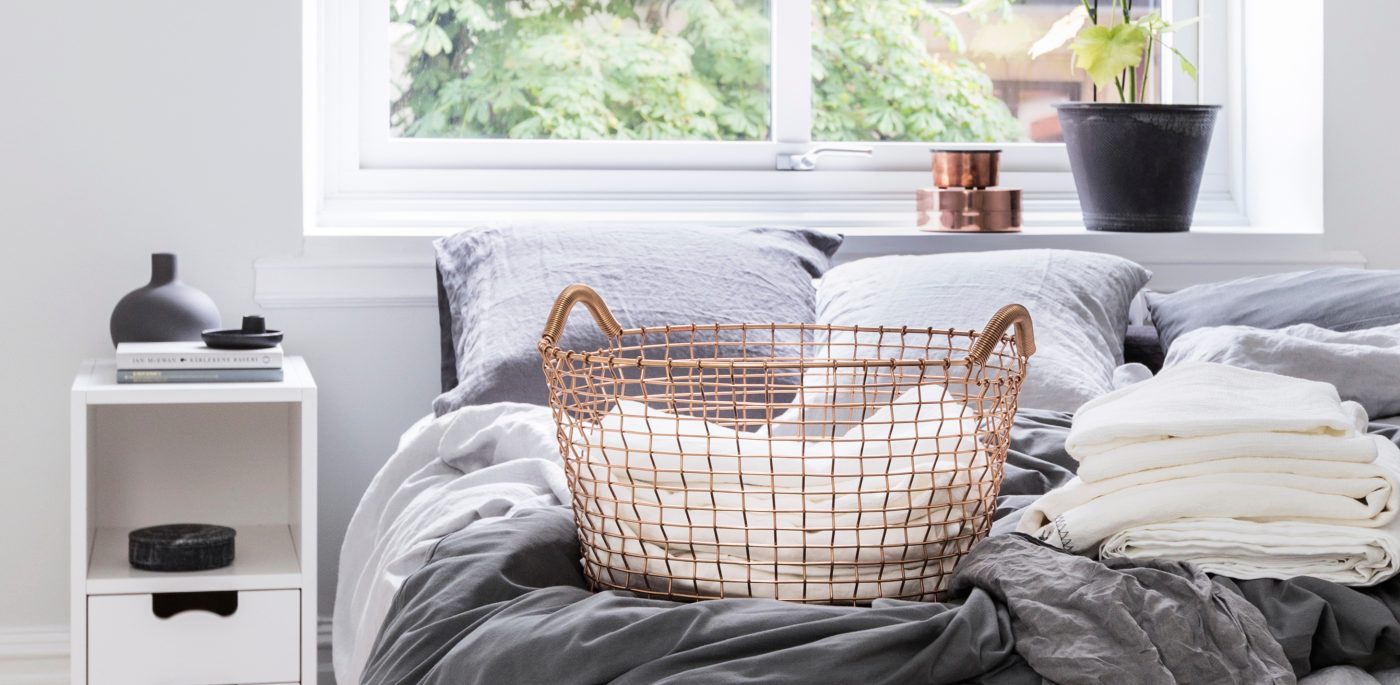
Under the Korbo brand the old wire basket has developed into a series of baskets with accessories. During the years the baskets have found their place in homes and gardens all over the world.
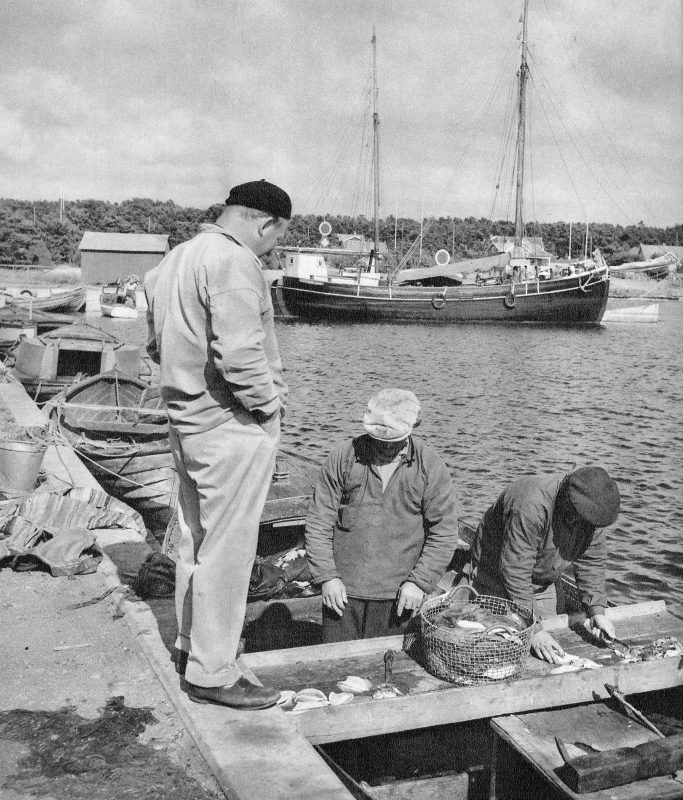
The photograph on the left is from 1947 and taken in the small fishing village of Skägganäs. The basket the fishermen are using is todays Classic 35.
CRAFTSMANSHIP
Craftsmanship is the art of skilfully creating products by hand, often using time-honoured techniques that have been passed down through generations. In an era dominated by mass production and automation, the value of craftsmanship in product creation is more important than ever.
A handcrafted product brings a sense of authenticity and uniqueness. Each piece reflects the individual skill and creativity of the craftsman, resulting in products that have their own character and story.
By appreciating the time, effort and skill that go into making each item we hope that a sense of respect and value is created for our products.
DESIGN COLLABORATIONS
In addition to giving life to lost designs we collaborate with selected Swedish designers and architects. All who shares our passion for functionality, materials, craftsmanship and everyday products.
Designing products with timeless aesthetics ensures they remain desirable and relevant, regardless of changing trends. Classic designs that focus on simplicity, elegance, and functionality are less likely to become outdated. This is our approach.
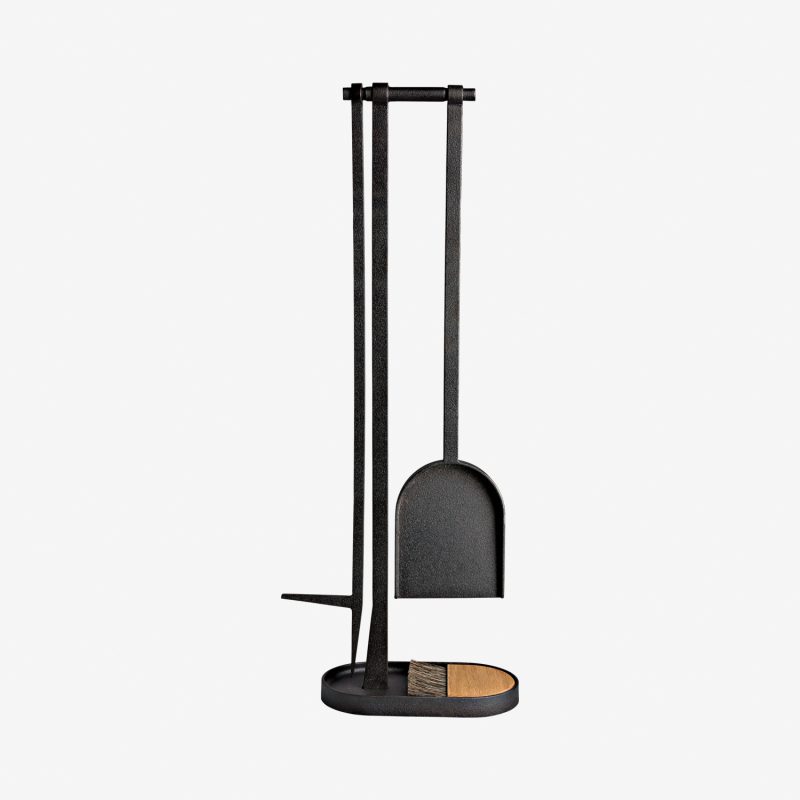
Our first collaboration was with the Swedish design studio Broberg & Ridderstråle. Together we have developed Fire-works, a series of products for the fireplace.
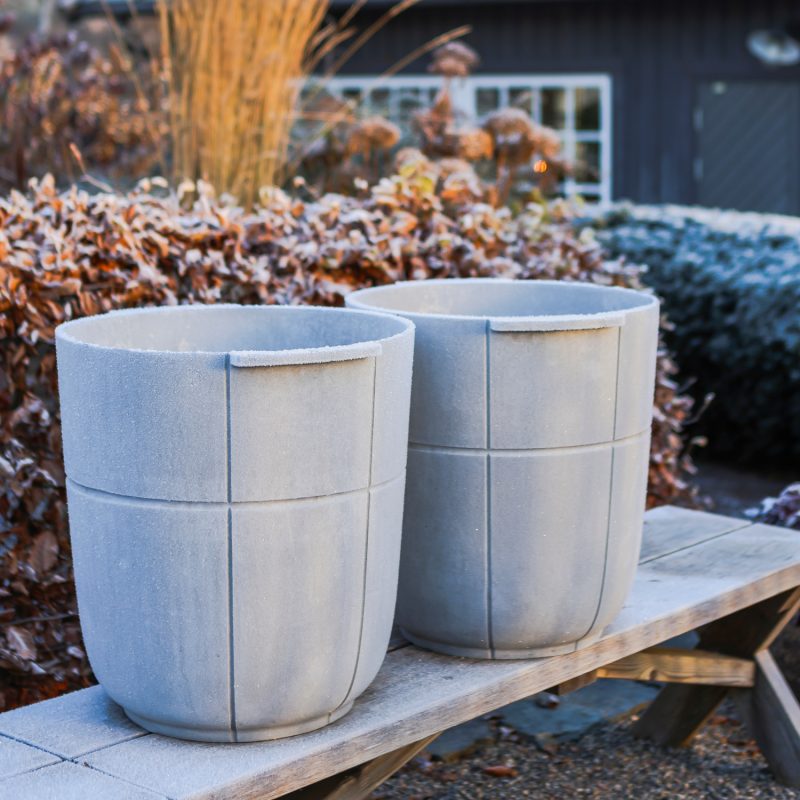
Second collaboration to be lunched is with renowned Monica Förster, a series of sand casted aluminium pots that will be introduced fall 2024.
LONGEVITY & QUALITY
Our aim is to create products that are kept and cherished for a long time. In today’s fast-paced world, where consumer trends shift rapidly and products are often discarded as quickly as they are acquired, the principles of longevity and thoughtful design are important to us. Focusing on these principles not only enhances the user experience but also contributes significantly to sustainability and environmental stewardship.
Our products are designed for longevity and they are built to withstand wear and tear, ensuring they remain functional and aesthetically pleasing over time. High-quality materials and superior craftsmanship are fundamental to creating durable products.
The emphasis on longevity aligns with our sustainability principles and we encourage a culture where products are made to last.
SUSTAINABILITY
By extending the lifespan of products, we reduce the need for frequent replacements, which in turn lowers the demand for raw materials and minimizes waste. Durable products help conserve resources and reduce the environmental impact associated with manufacturing and disposal. This aligns with the principles of a circular economy, where the goal is to keep products in use for as long as possible, passing them over to the next generation.